I’ve spent a lot of windshield time driving HWY 20, thinking about the “Ghosts of Highway 20” and the following are my random bullet point thoughts from the past six months. These are more just singular thoughts from thinking about all the cases, and I mainly wanted to write them down.
- After the summer traffic to Central Oregon dies down in mid autumn, HWY 20 feels desolate. There isn’t a lot of traffic and there are several instances where you will seem like the only vehicle for miles.
- Swamp Mountain Rd, where Swamp Mountain Doe’s remains were recovered, is one of the first logging roads east of Sweet Home that isn’t gated.
- Dobbins Creek Rd is the first logging road east of Sweet Home without a gate. It’s a few miles west of Swamp Mountain Rd.
- Canyon Creek Rd comes a few miles after Swamp Mountain Rd.
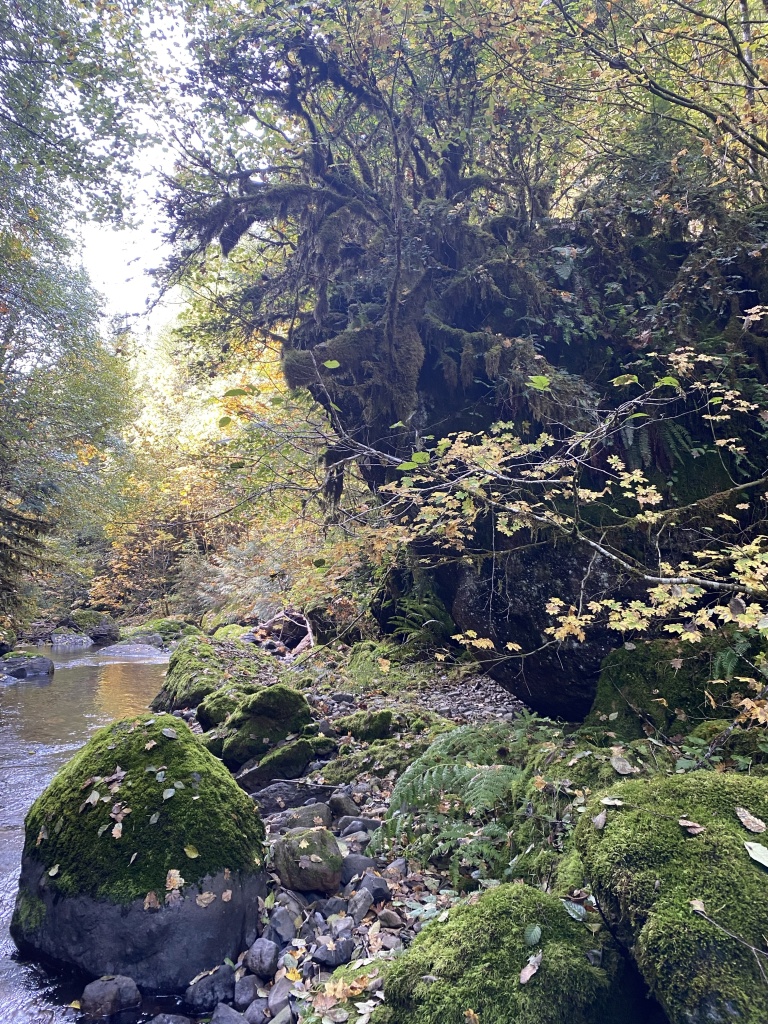
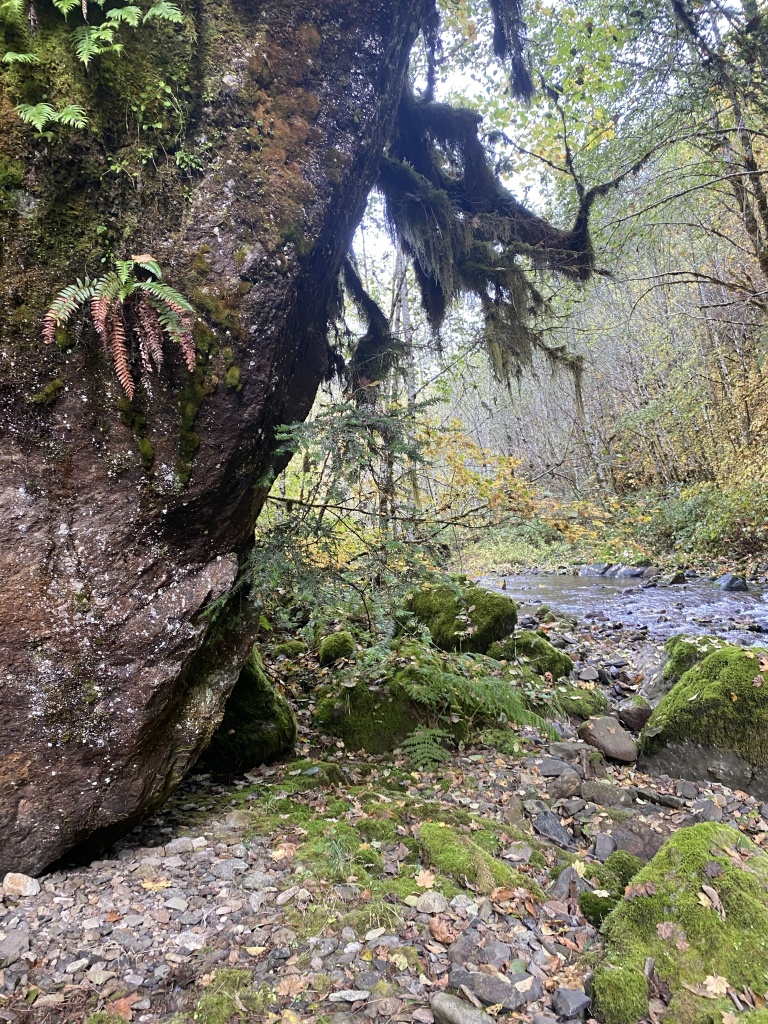
- Dobbins, Swamp Mountain and Canyon Creek are all open roads, connected to 20. If I had the resources, I’d probably run cadaver dogs along the inside of the wood line, starting at mile marker 2 from the pavement, sweeping back towards 20.
- I think this because of the over ten year gap between Kaye Turner’s murder and Rachanda’s. Part of that lull in criminal activity we can probably attribute to the attention Ackroyd received from the Turner investigation and the relationship he was in with Rachanda’s mother. However, there may be victims from that time period that just weren’t discovered.
- Kaye Turner wasn’t recovered until Ackroyd claimed to have found her while rabbit hunting. Swamp Mountain Doe and Snow Creek Doe were found by a moss hunter and a Forest Service logging crew, respectively. Rodney, Karen and Rachanda are still not recovered. Elizabeth Mussler, Melissa Sanders and Sheila Swanson were recovered after their disappearances, but were stumbled upon by a family walking their dog (Mussler) and a pair of deer hunters (Swanson and Sanders).
- Ackroyd’s choice of dump sites were remote, very little to no foot traffic, and allowed enough time between the crime and the remains discovery to reduce the amount of evidence available to collect.
- The victims associated with Ackroyd, the Ghosts of Highway 20, were mostly vulnerable or marginalized young women, mostly brown haired and brown eyed.
- There are exceptions to this- Kaye Turner being notable for not only being blonde and blue eyed, but she was established in her community with strong social and work ties. We still don’t have a forensic reconstruction of Snow Creek Doe.
- Some of Ackroyd’s victims could be said to be on the edge of his social circle. Elizabeth Mussler lived in the same apartment building as Ackroyd’s sister. He was acquainted with Melissa Sanders and Sheila Swanson through the Shari’s in Lebanon. Of course, Rachanda was his step-daughter.
- Others were wrong place, wrong time, wrong ride- Karen & Rodney, Marlene Gabrielsen, or a victim of opportunity, like Kaye Turner.
- To Which group do Swamp Mountain Doe and Snow Creek Doe belong? Periphery of the social circle or wrong place / wrong time?
- One of those paths could lead to their names.
- If the two Does were traveling, that makes an ID harder, because although “missing”, no one is looking for them.
- If one or both Does are from the edge of Ackroyd’s social circle, given the small population in that part of Linn County, we might be able to work with that.
- Start with Sweet Home High School yearbooks from 1966-1976
- Exclude the males
- Exclude the blonde females (for Swamp Mountain Doe)
- Of the brunette females, exclude who has a proof of life after 1976
- Of the remaining number, whose proof of death can’t be found? No obit etc
- Was Ackroyd the only serial murderer in the area, at the time?
- Most likely yes, he would be the only one. The human population of that part of Linn County is low today, and would have been even less populated 1976-1993.
- Low probability that two individuals with the same victimology, MO and type of dump site would have been active at the same time/ place given the low population count. Probably even lower that two serials would have gone unnoticed for that long.
- Very low probability that a non-local would have known which logging roads would be open, not have a camp ground along them, not be trailheads for popular hiking trails, etc. Dump site selection alone suggests local knowledge.

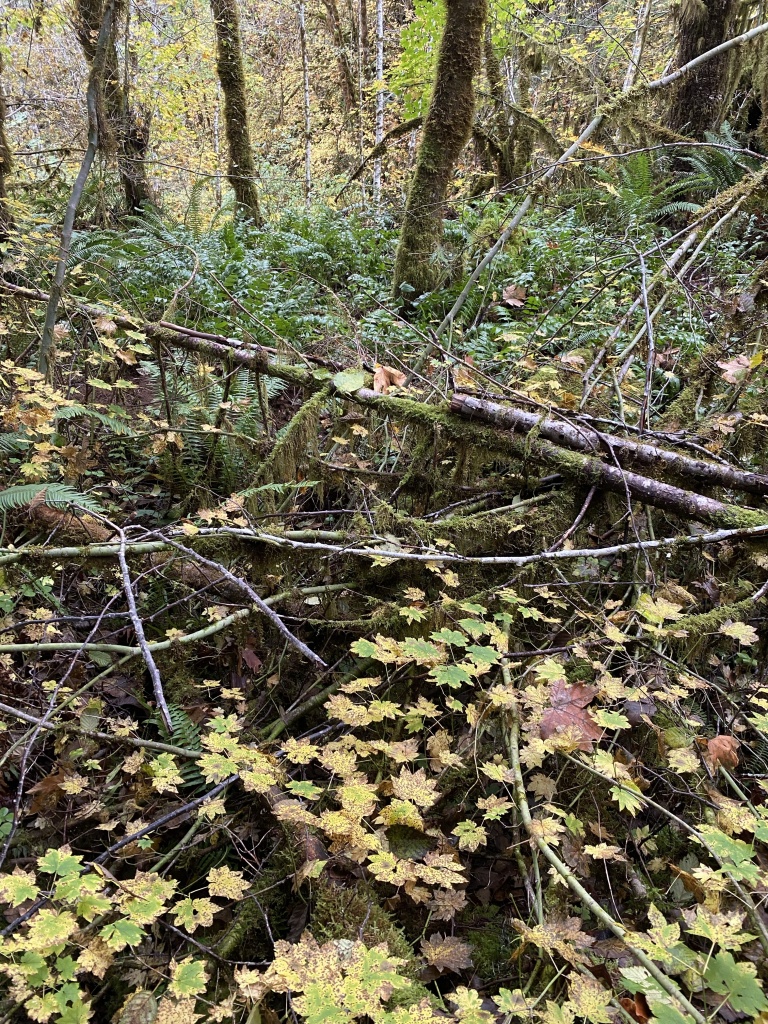
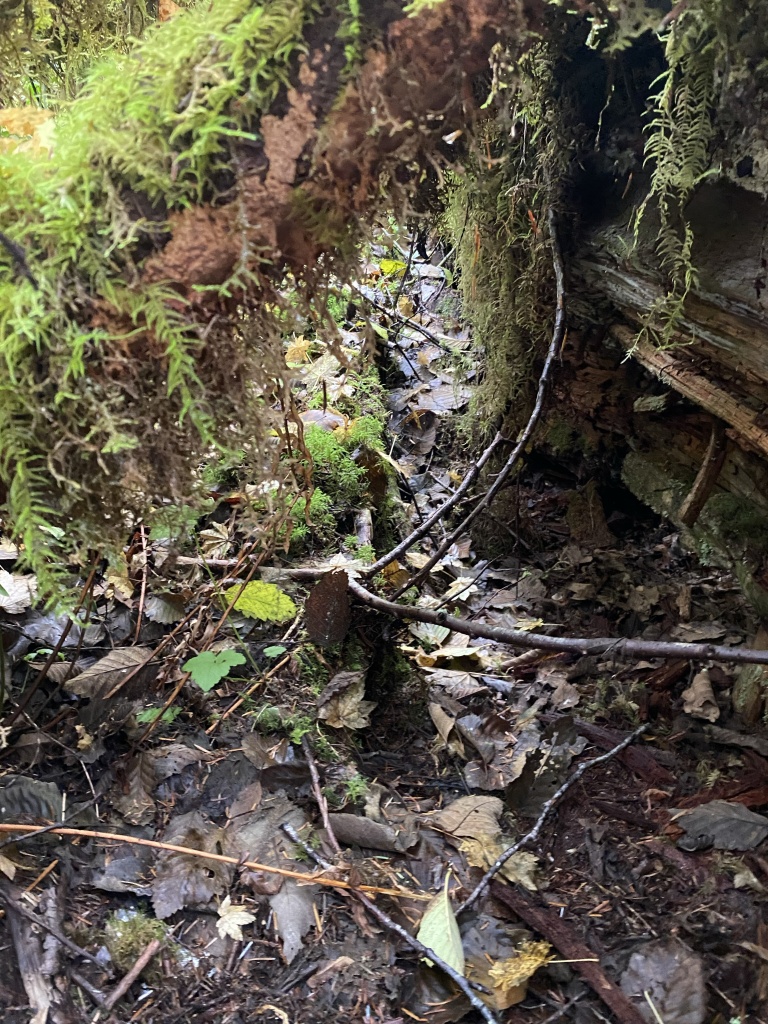
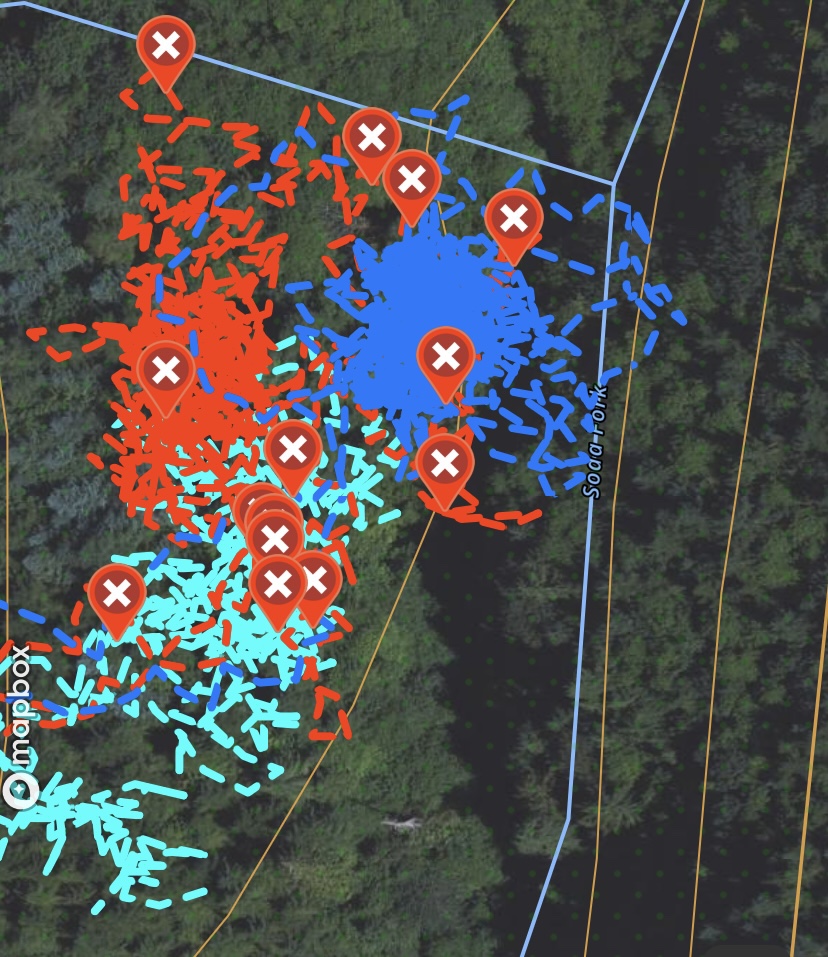


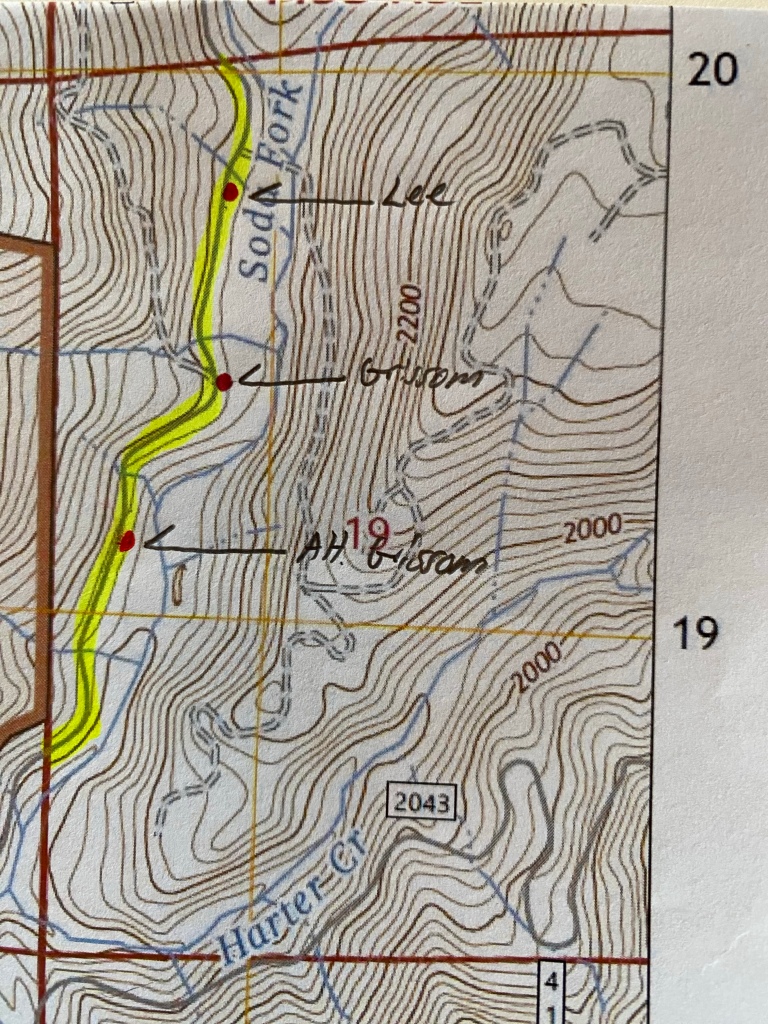
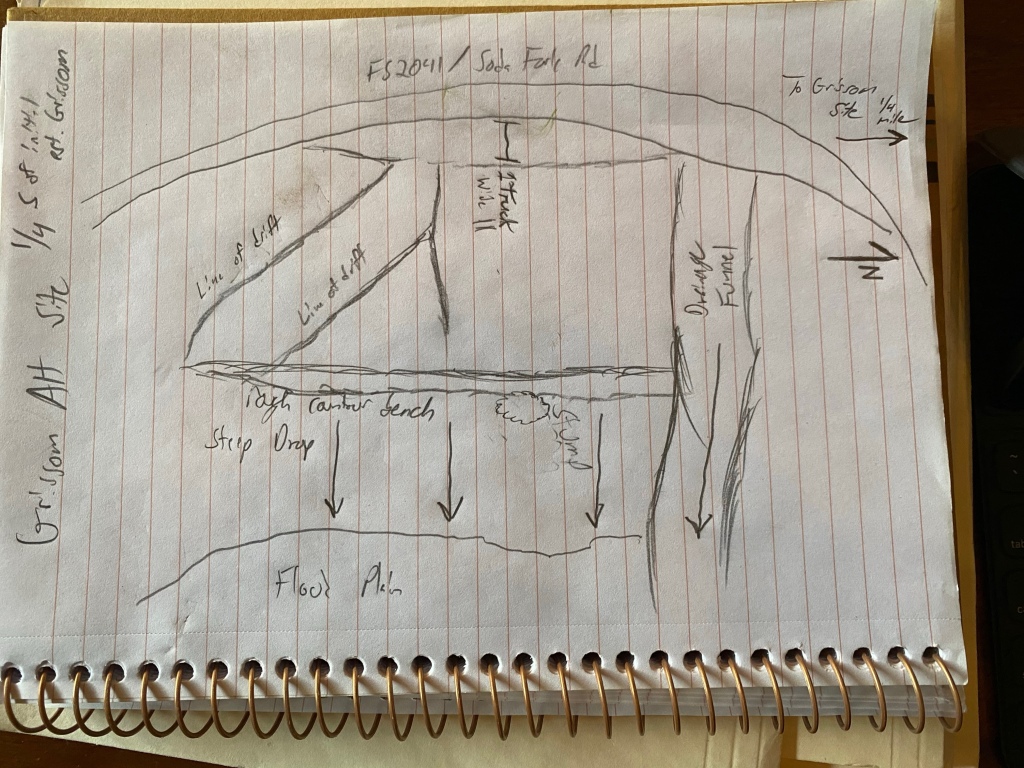
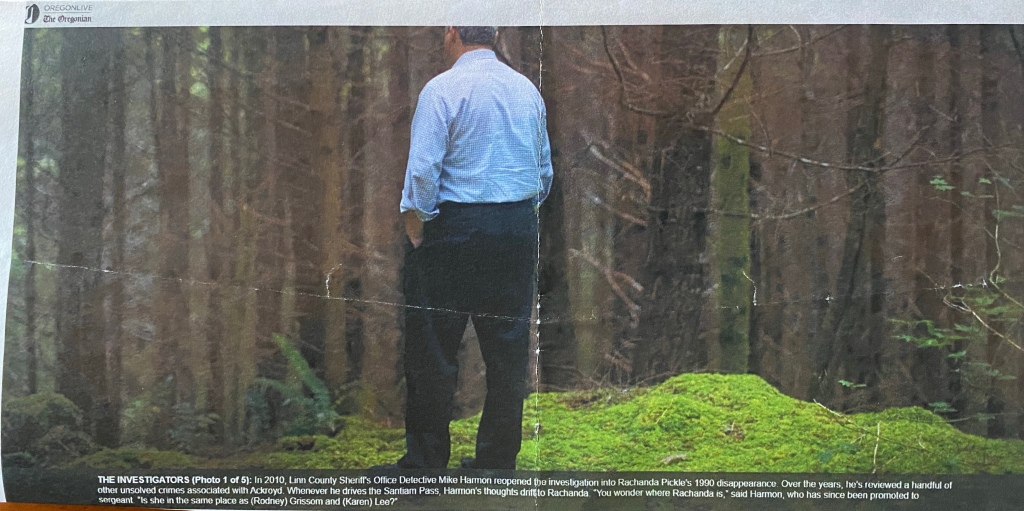
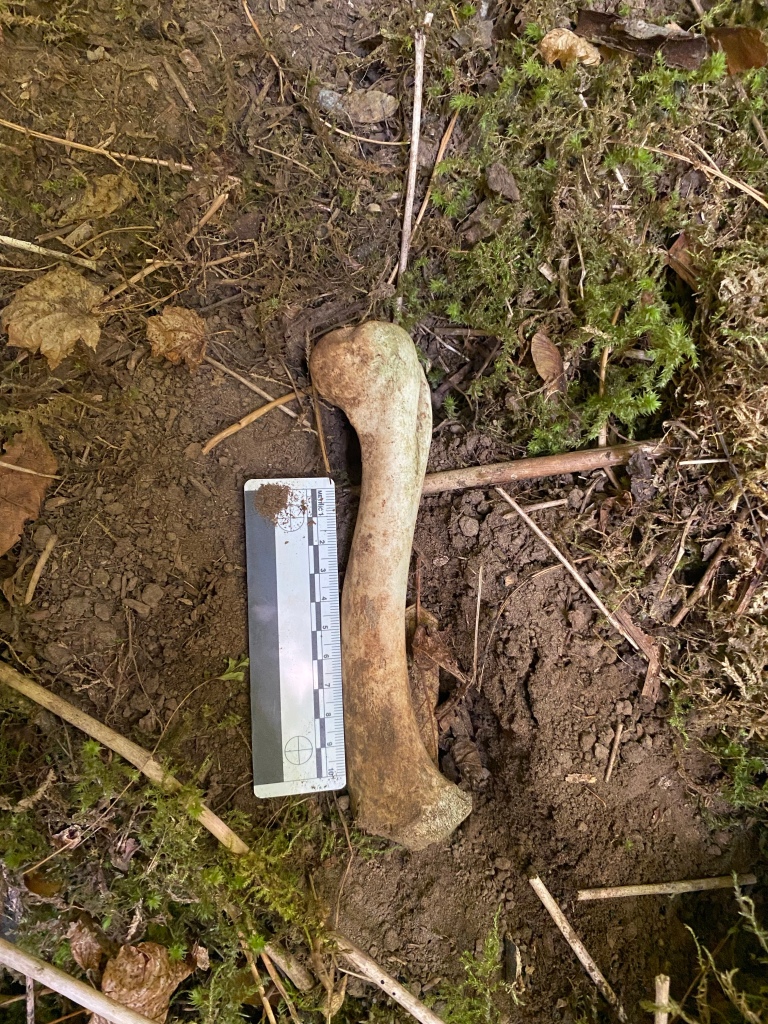
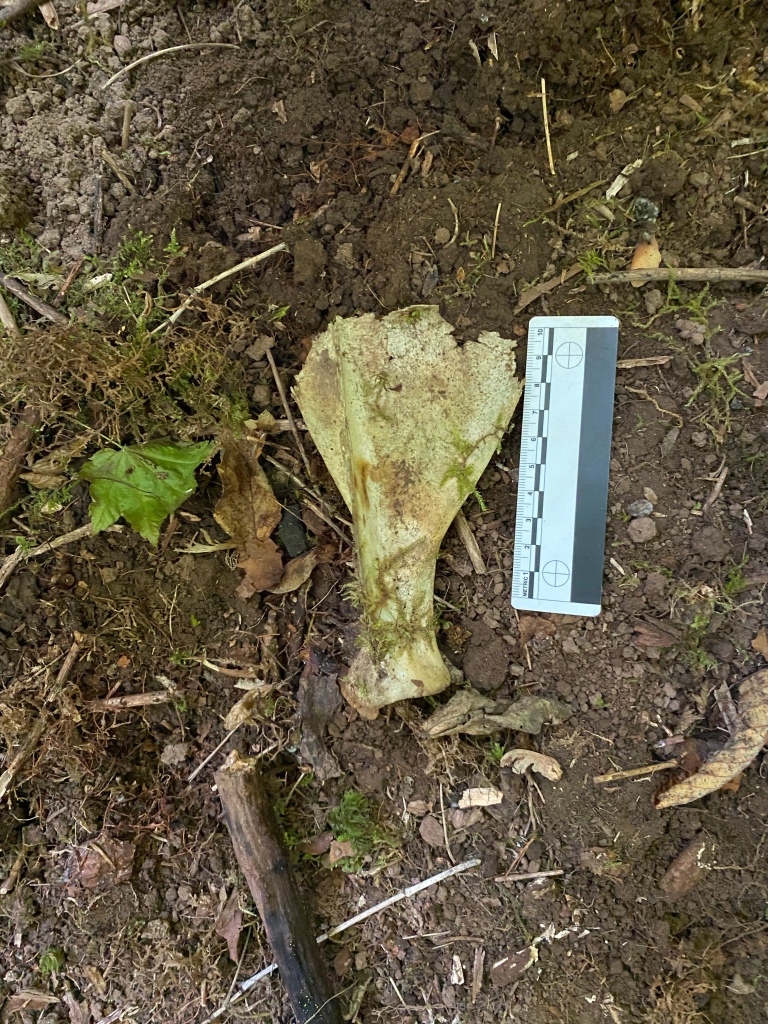
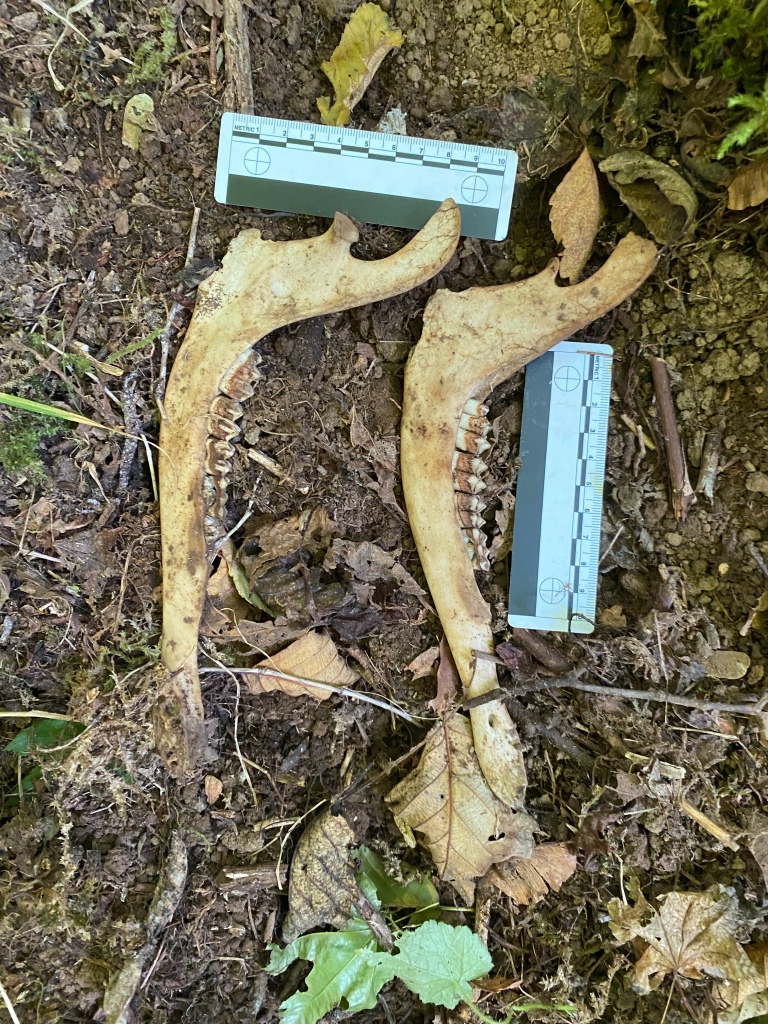
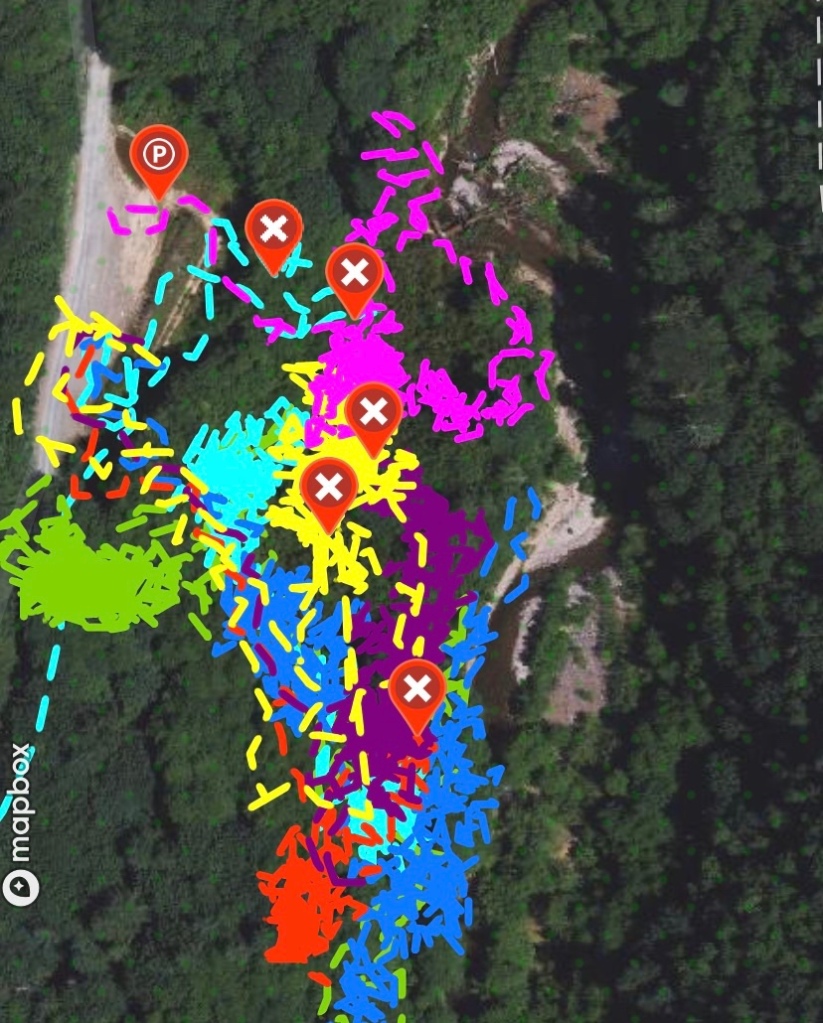
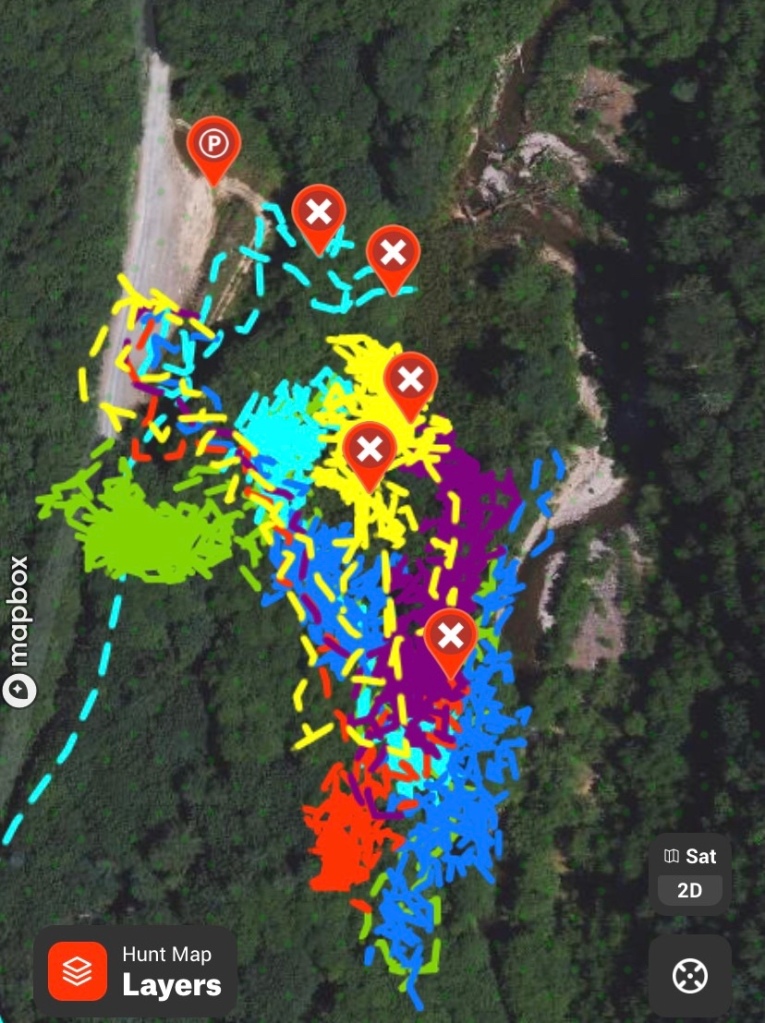


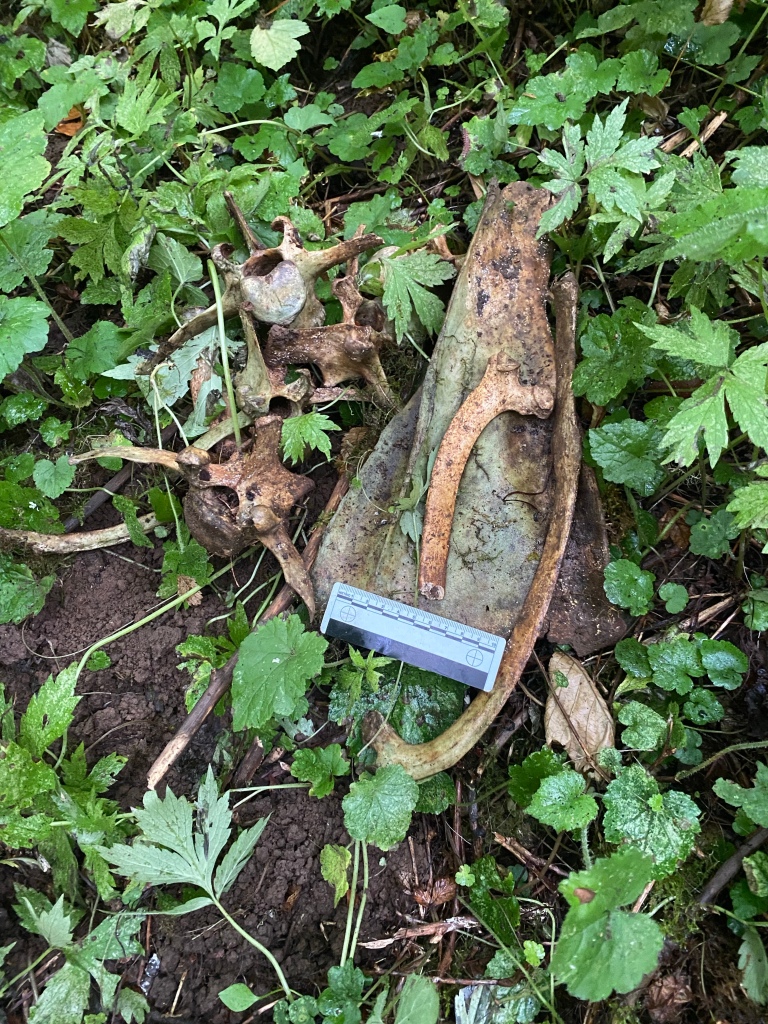
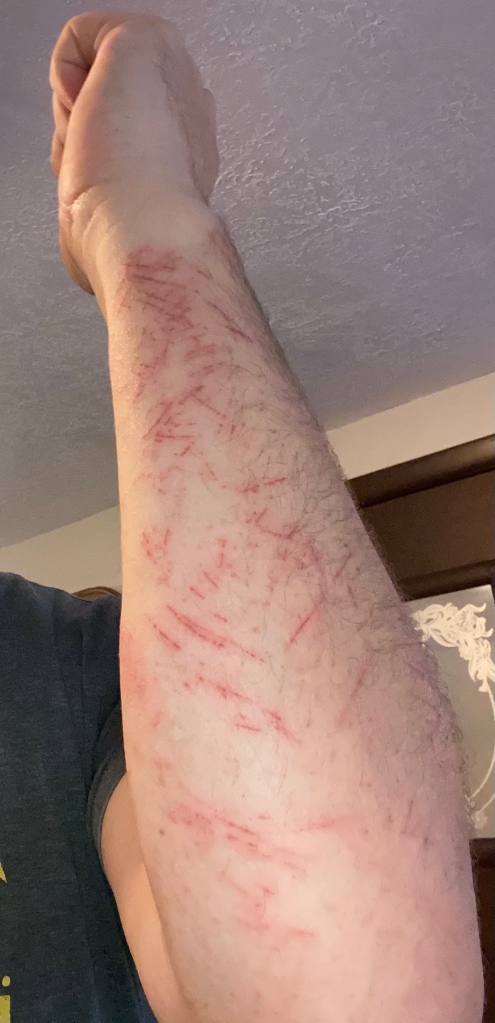
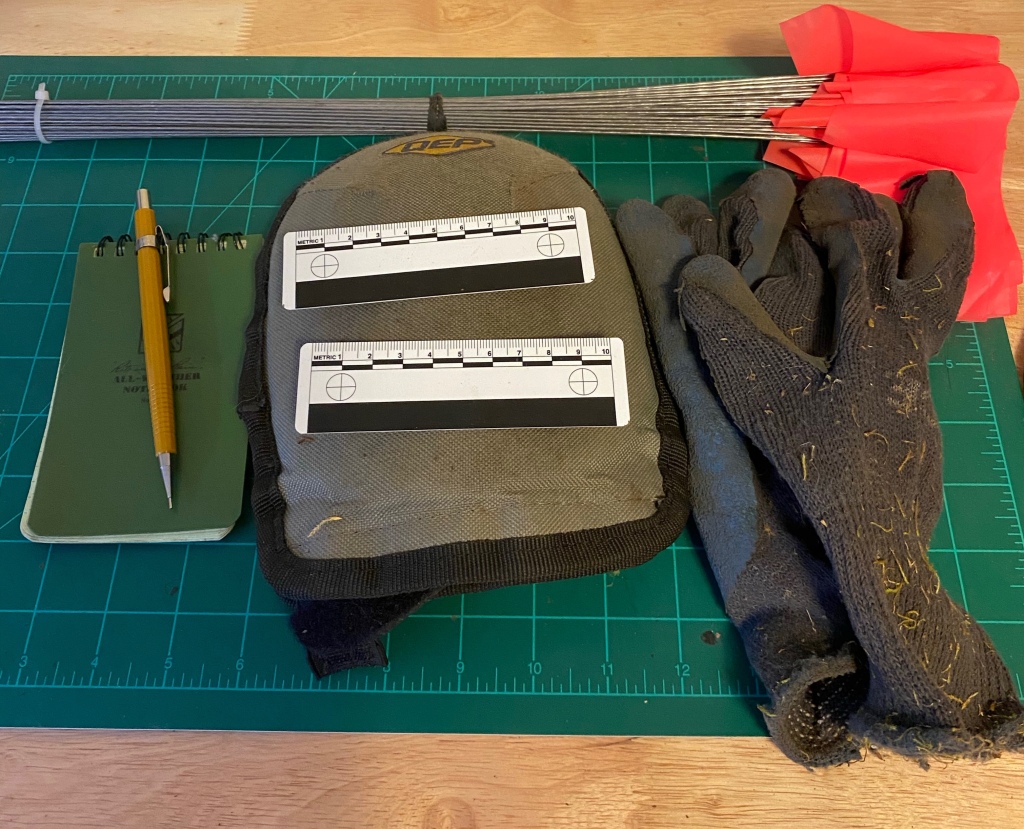
 The Search for Karen Jean Lee and Rodney L. Grissom